Delhi: An Inclusive City?
Co-authored with: Agnimitra Bachi, Damini Rathi, Divya Singh, Palak Mehta, Aparna Konat, and Lokesh Singh
Research question: What problems do marginalised groups face in the public spaces around Nizamuddin Railway Station?
Read the full conference paper.
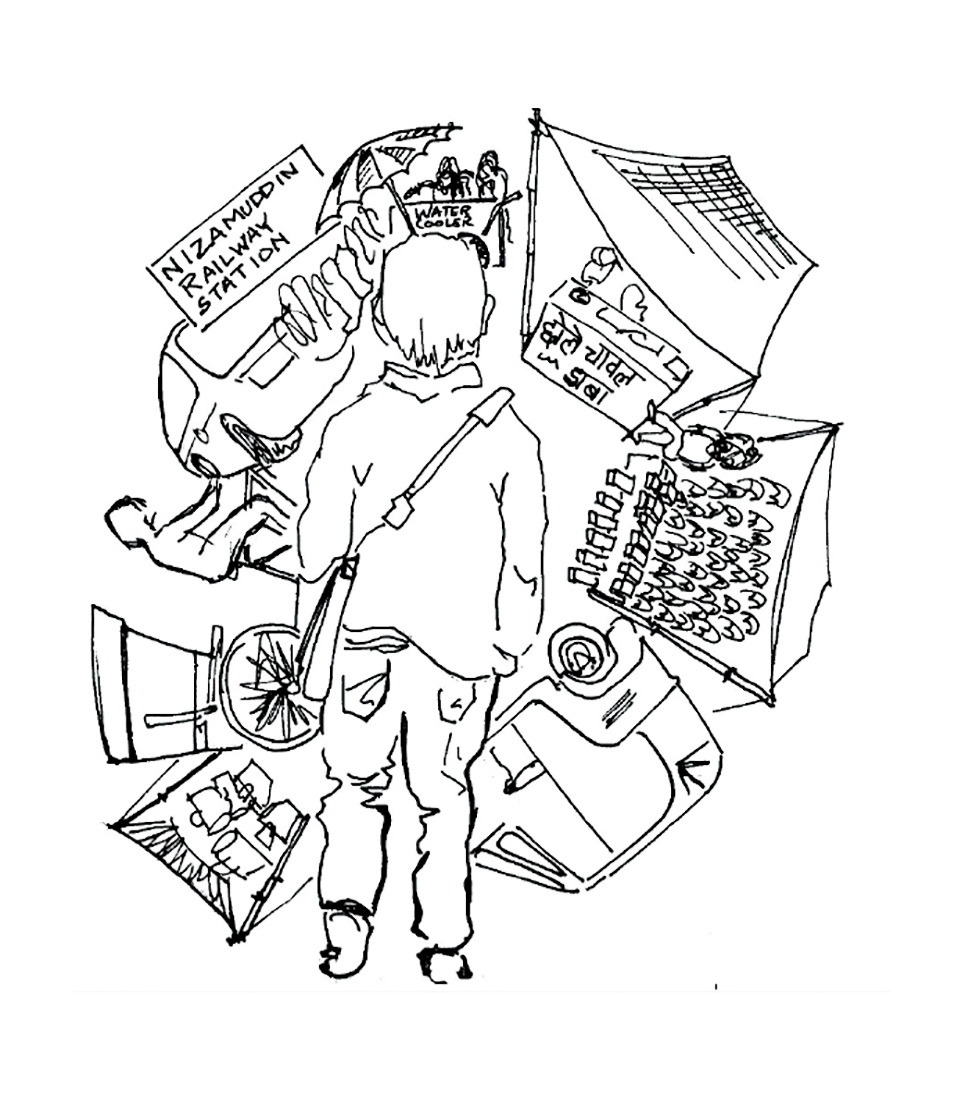
Why inclusivity?
Inclusive cities are more affluent because they mobilise a larger share of the population to take part in productive work. This encourages more resilient, self-sustaining societies. A society armed with varied, well-performing individuals is well placed to hold public policies and institutions to account.
Social exclusion, on the other hand, leads to decay. As people lose hope in joint action, they ignore parts of public life.
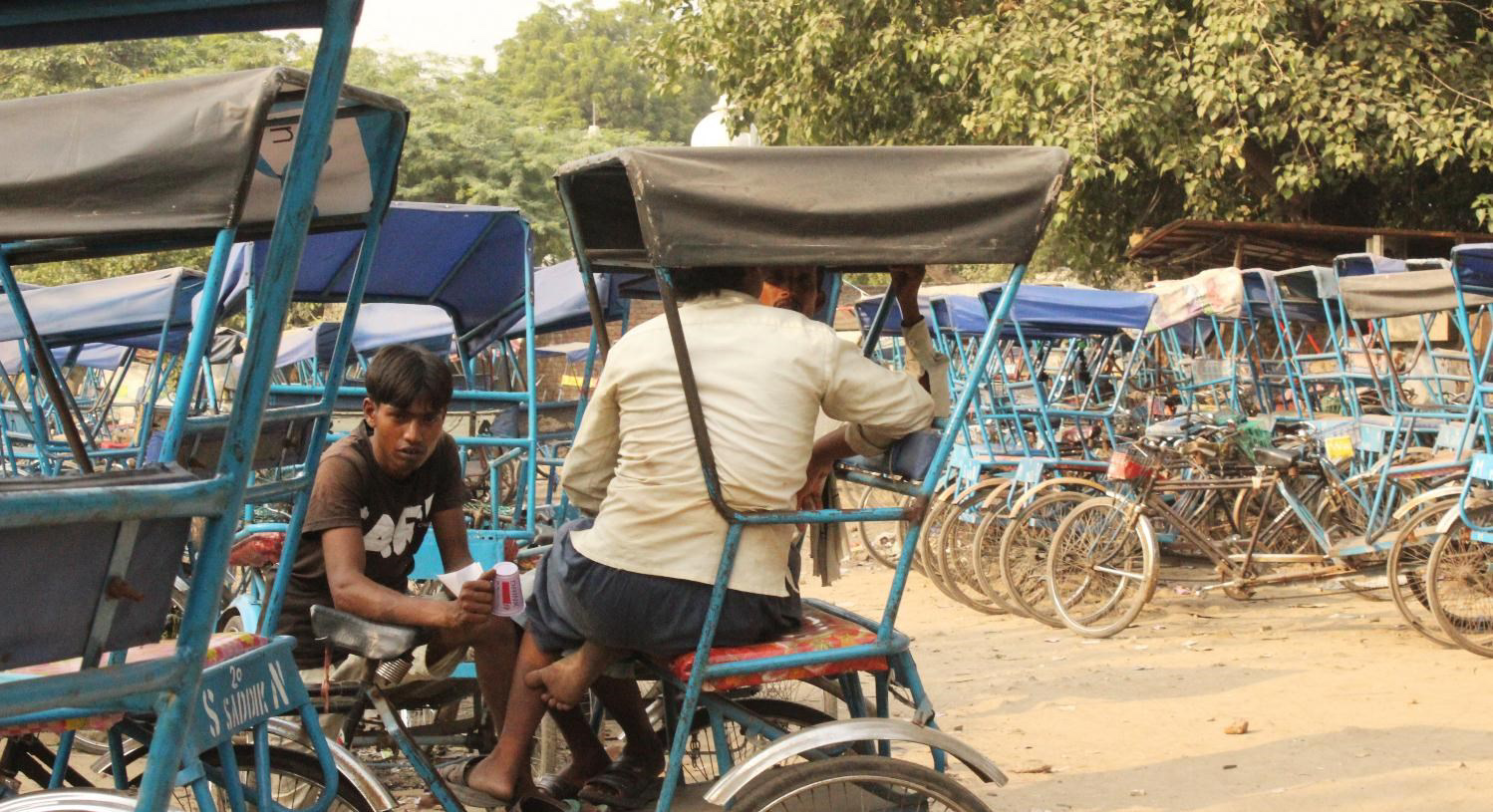
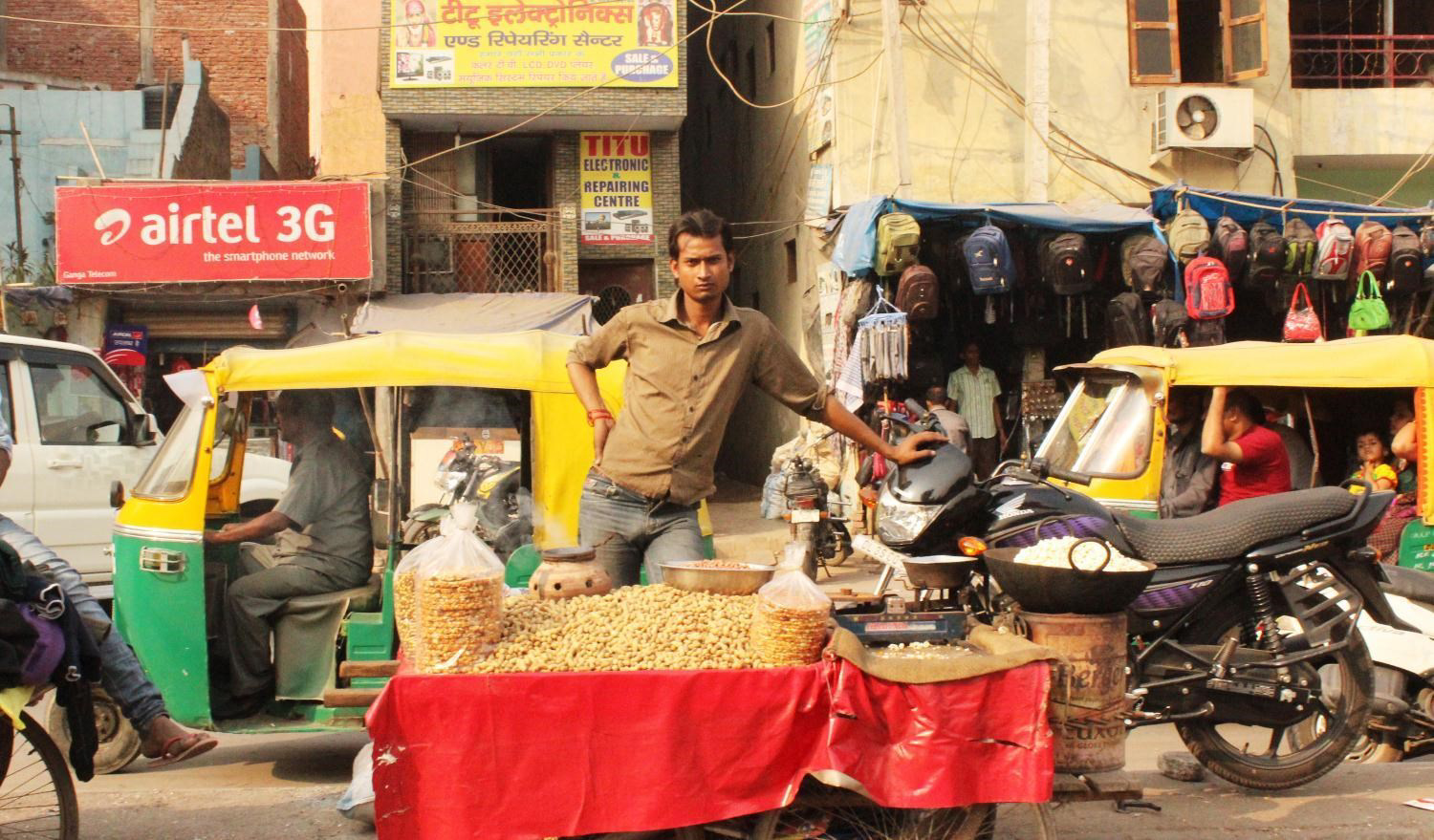
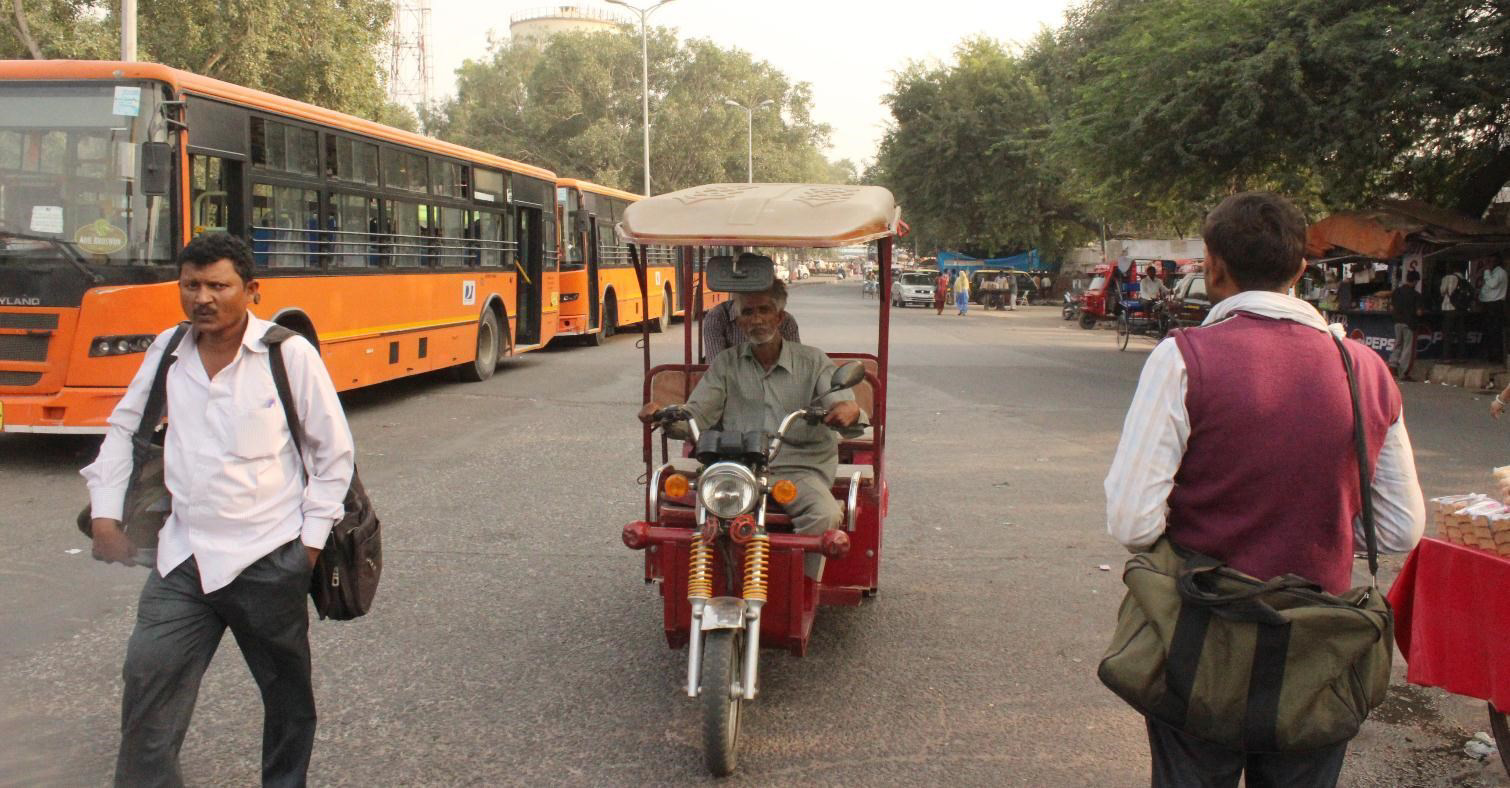
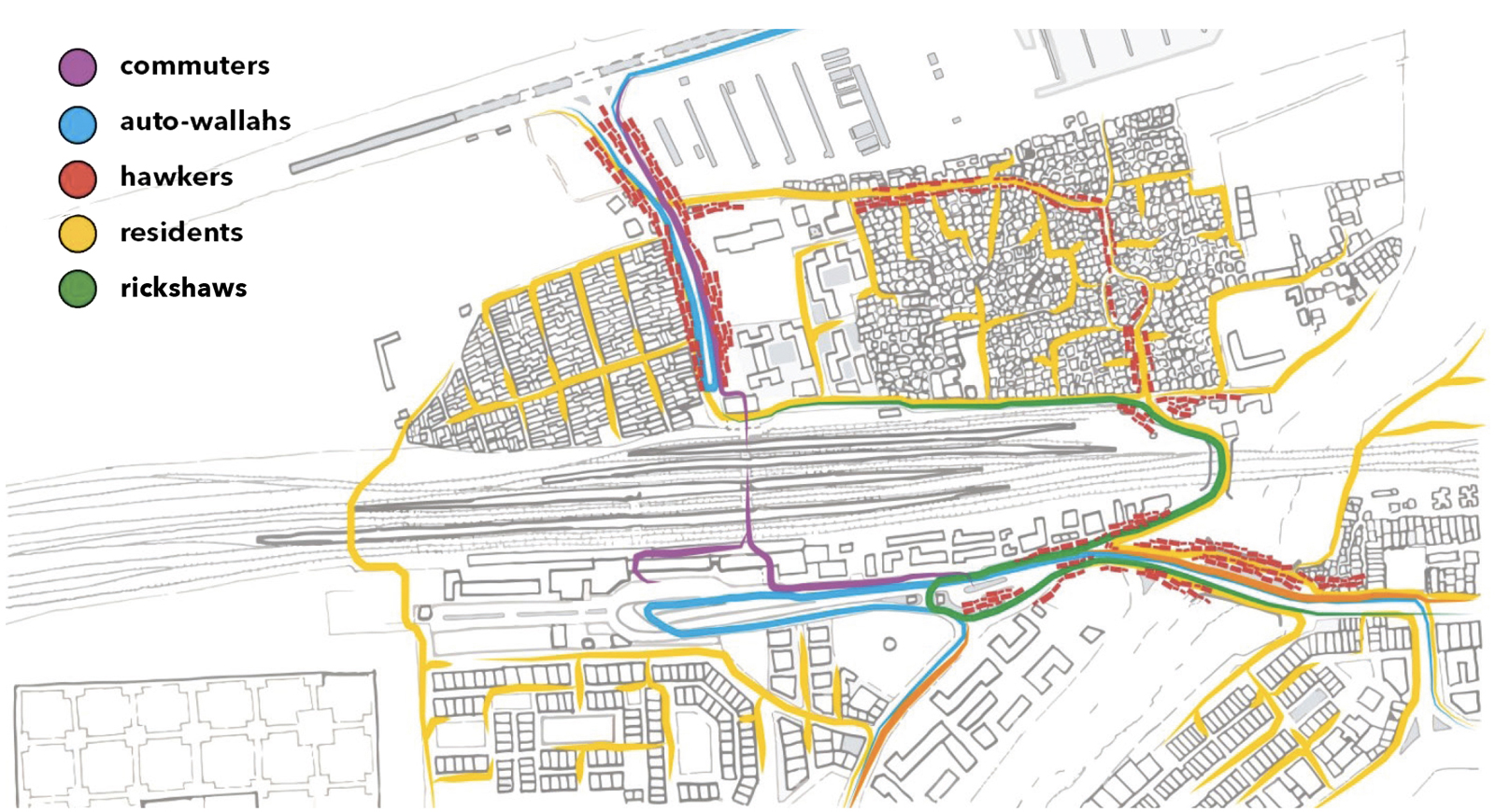
There is a rich variety of actors near Nizamuddin Railway Station.
Context
We studied the daily lives of people in and around the Hazrat Nizamuddin transit hub in south-east Delhi. The area around the railway station has a rich mix of activities and a heavy overlap in how people use space. This let us compare the agency of different social groups and identify problems faced by marginalised groups.
Mapping the use of space on site helped us find areas with a high concentration of activity, which led us to find conflicts.
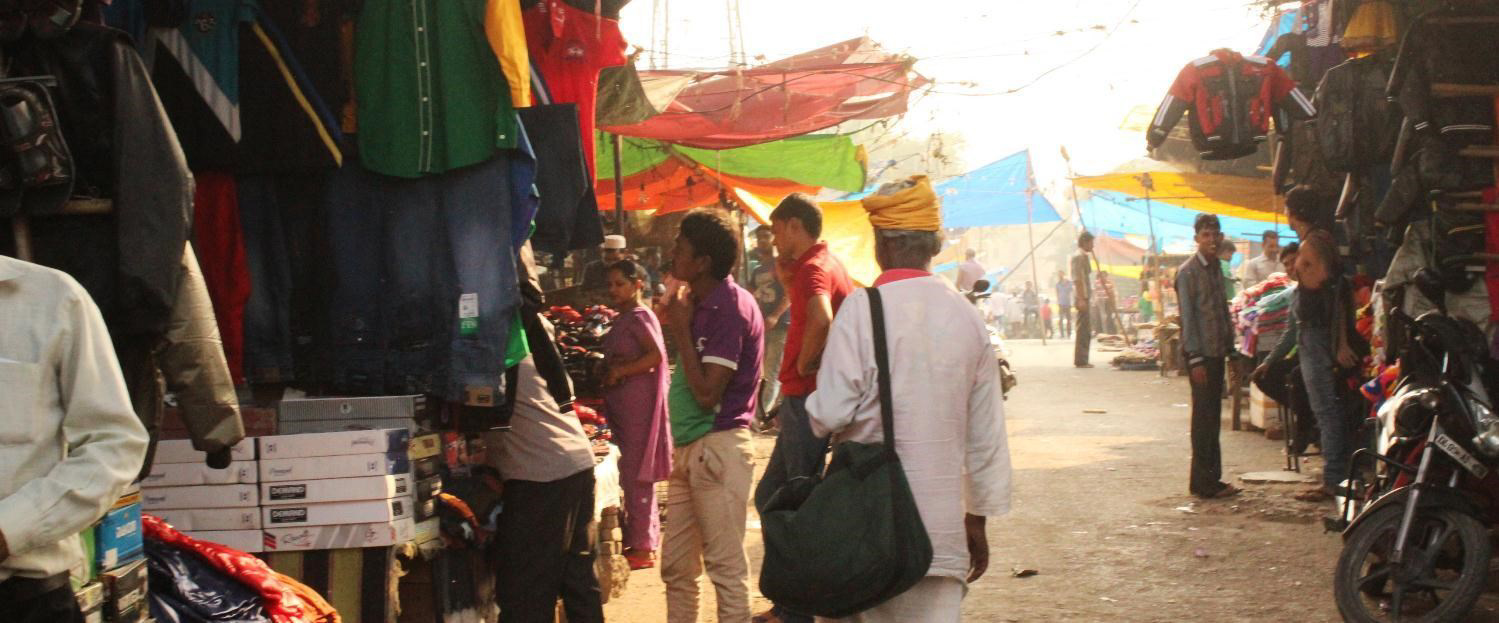
Some spaces, such as the area just outside the railway station, were full of activity.
Method
Marginalised parties hesitate to share information about their situation because they fear action from the authorities. With this in mind, we used contextual inquiry: we held open interviews, then analysed key words in the data to narrow our work to a few topics for deeper study.
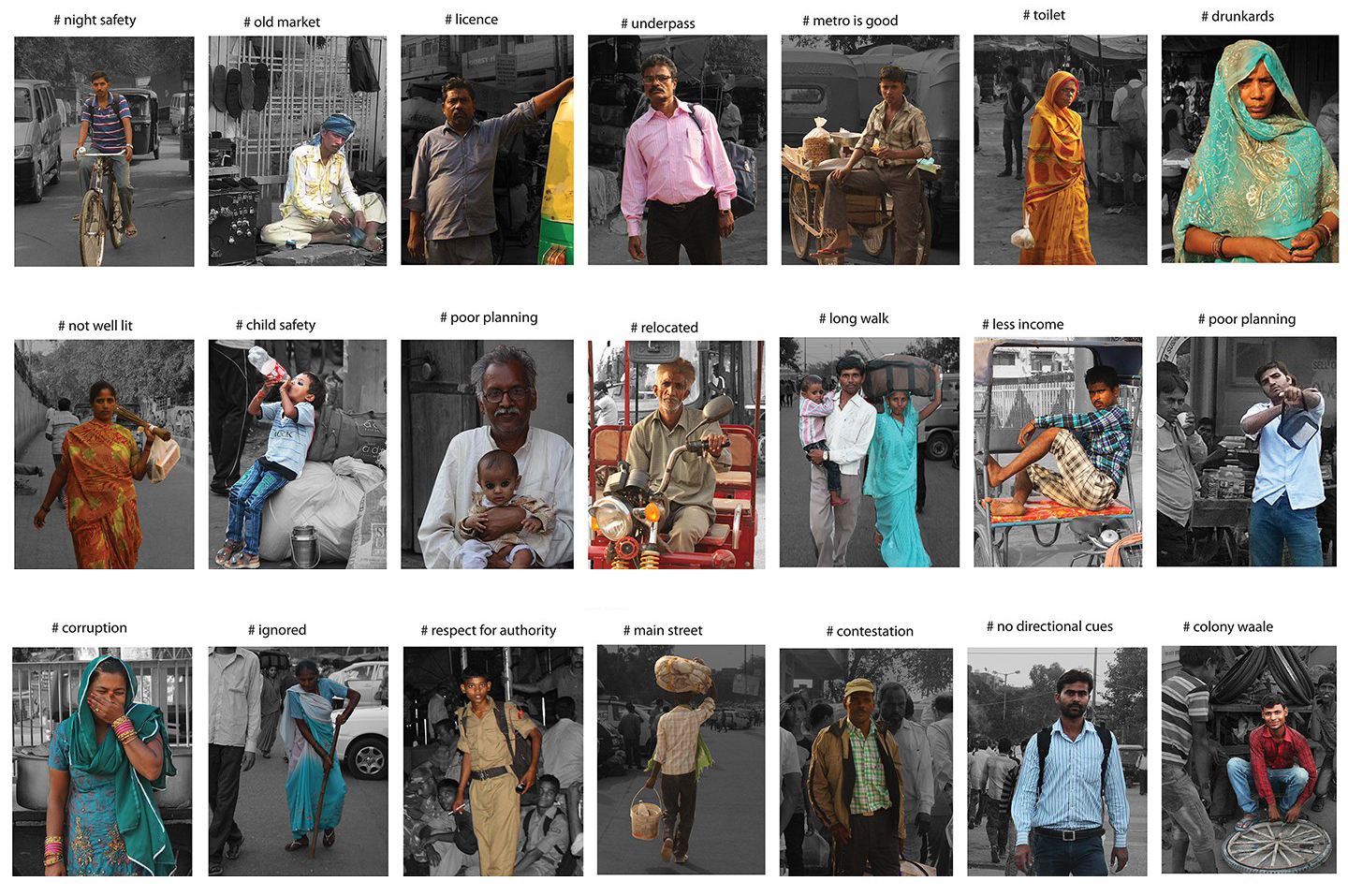
Over time, our interviews brought out the concerns of different people on site.
Observations
The case of hawkers on the unplanned side showed many of the barriers faced by marginalised groups.
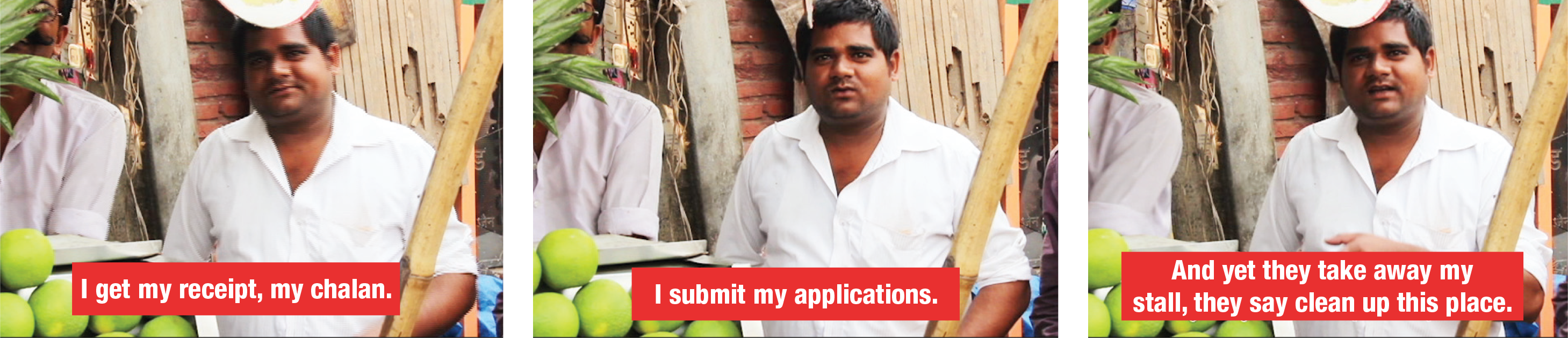
Trust in the government breaks down when the law is unclear in practice.
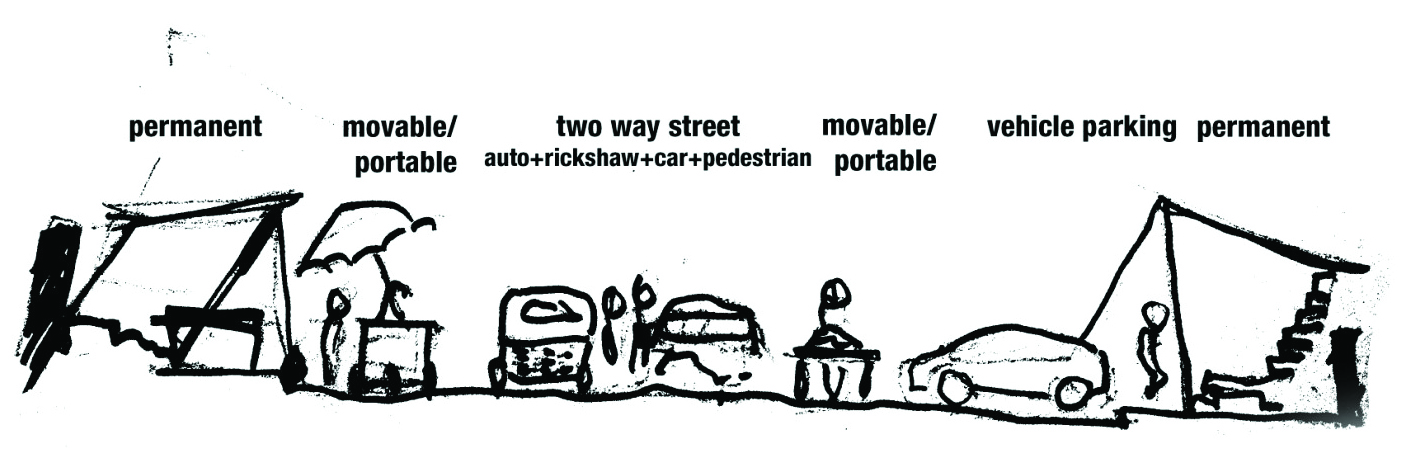
Many wait for slow paperwork to clear before they receive a licence to hawk. Even those with a licence face extortion from local goons and the police. They are also unsure about their location: the municipal corporation can move them to a faraway place that does not suit hawking. They compete with vehicles and pedestrians for valuable walking space, which means that they survive through temporary means.
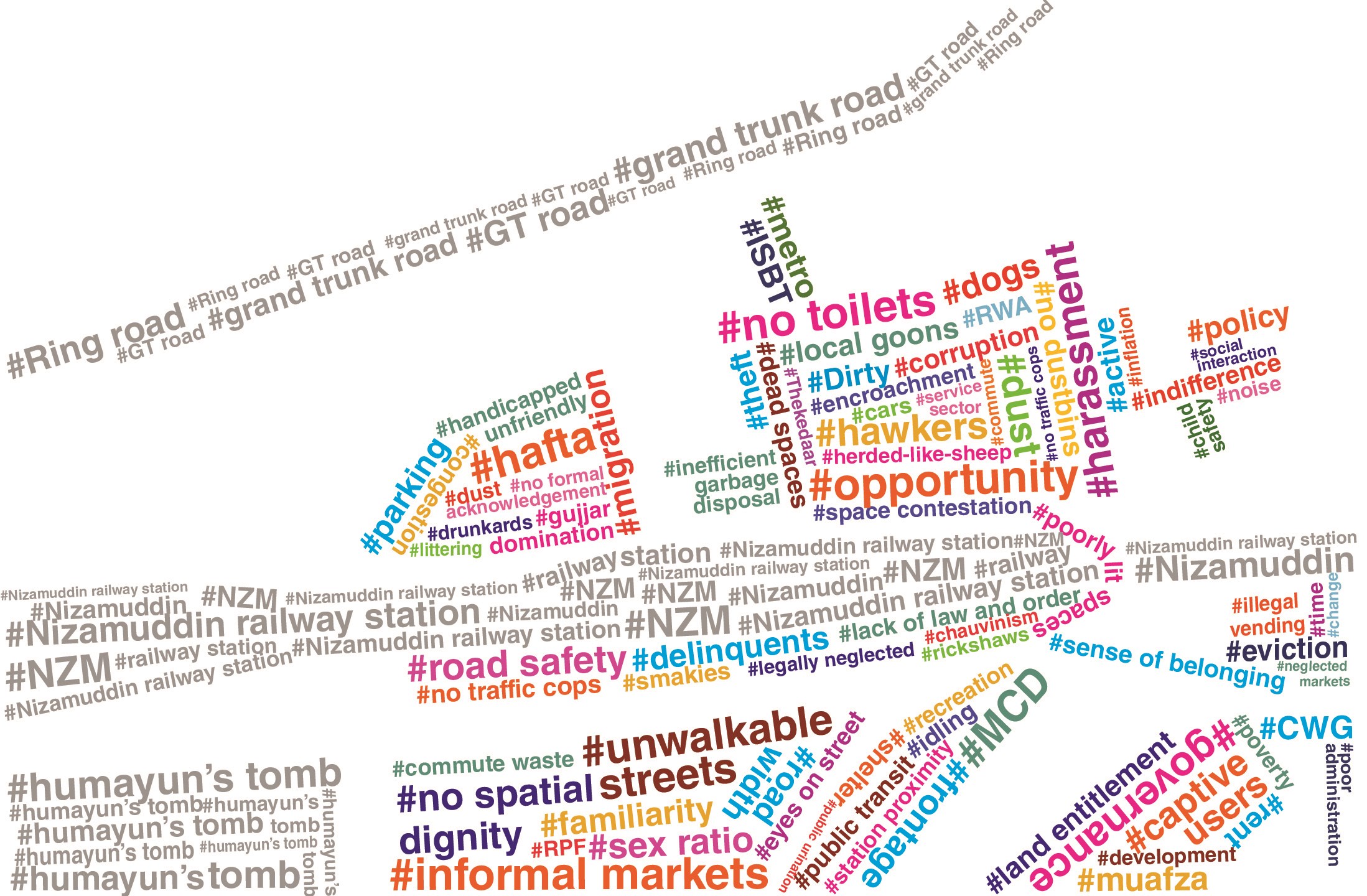
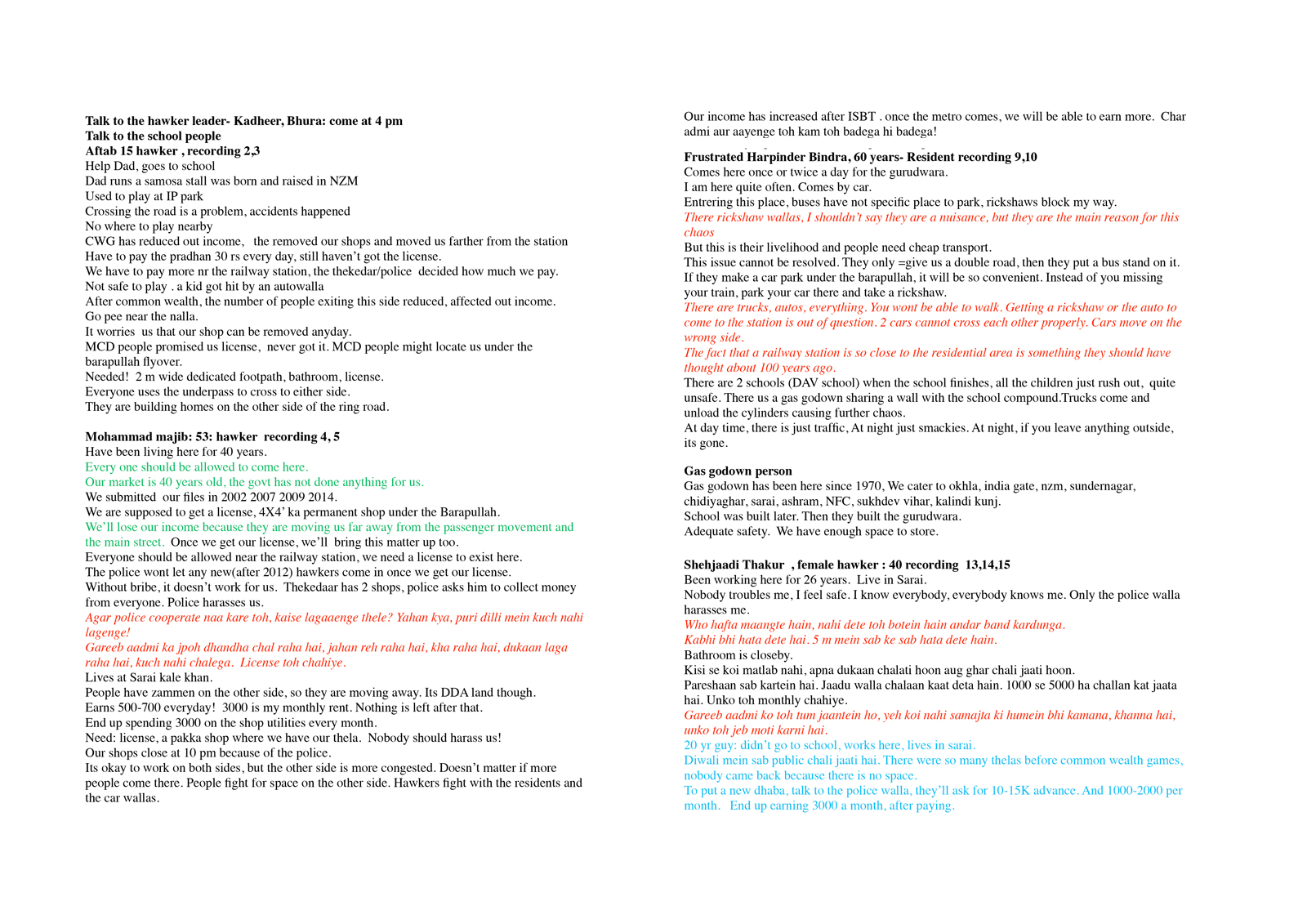
After placing issues on a map, we started to find areas on which to focus.
Conclusions
The lack of secure space felt by people working in the informal economy harms their ability to plan for the long term. It stops them from building on their livelihood in a meaningful way and traps them in their present state.
This lack of hope for progress makes everyone view each other with suspicion. With less room for cooperation and growth, the state of public space suffers.
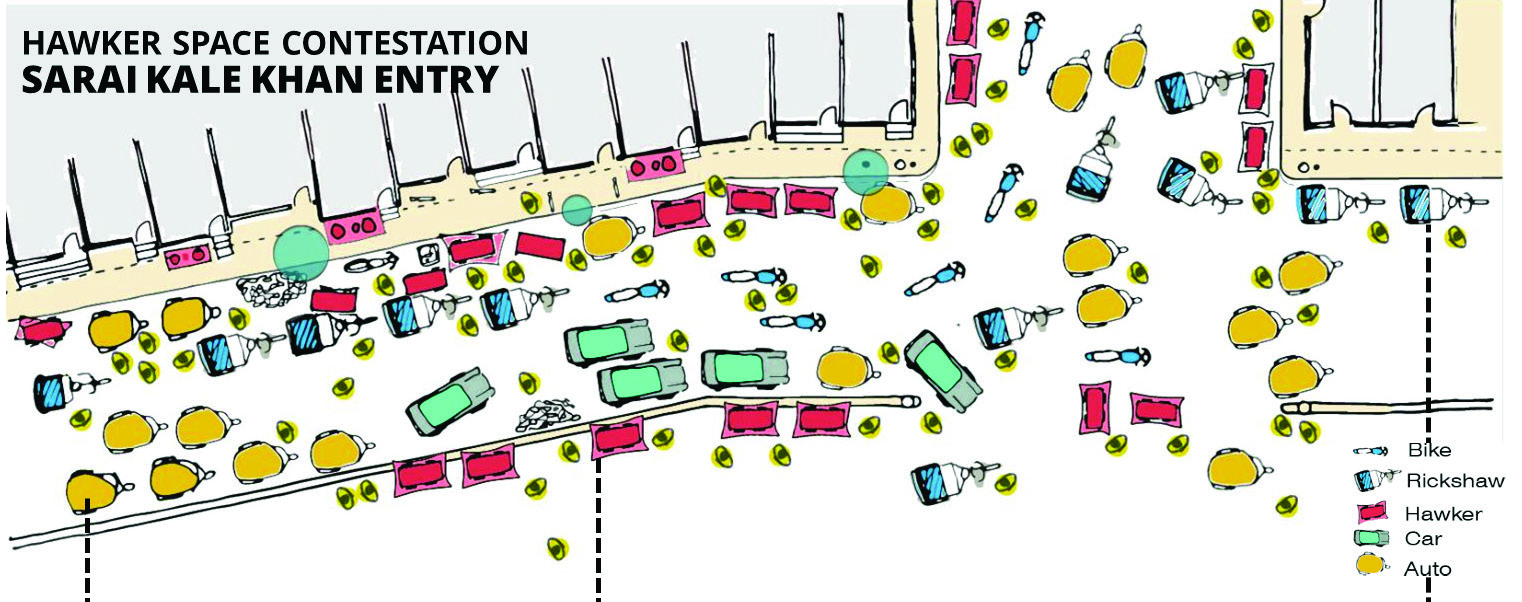
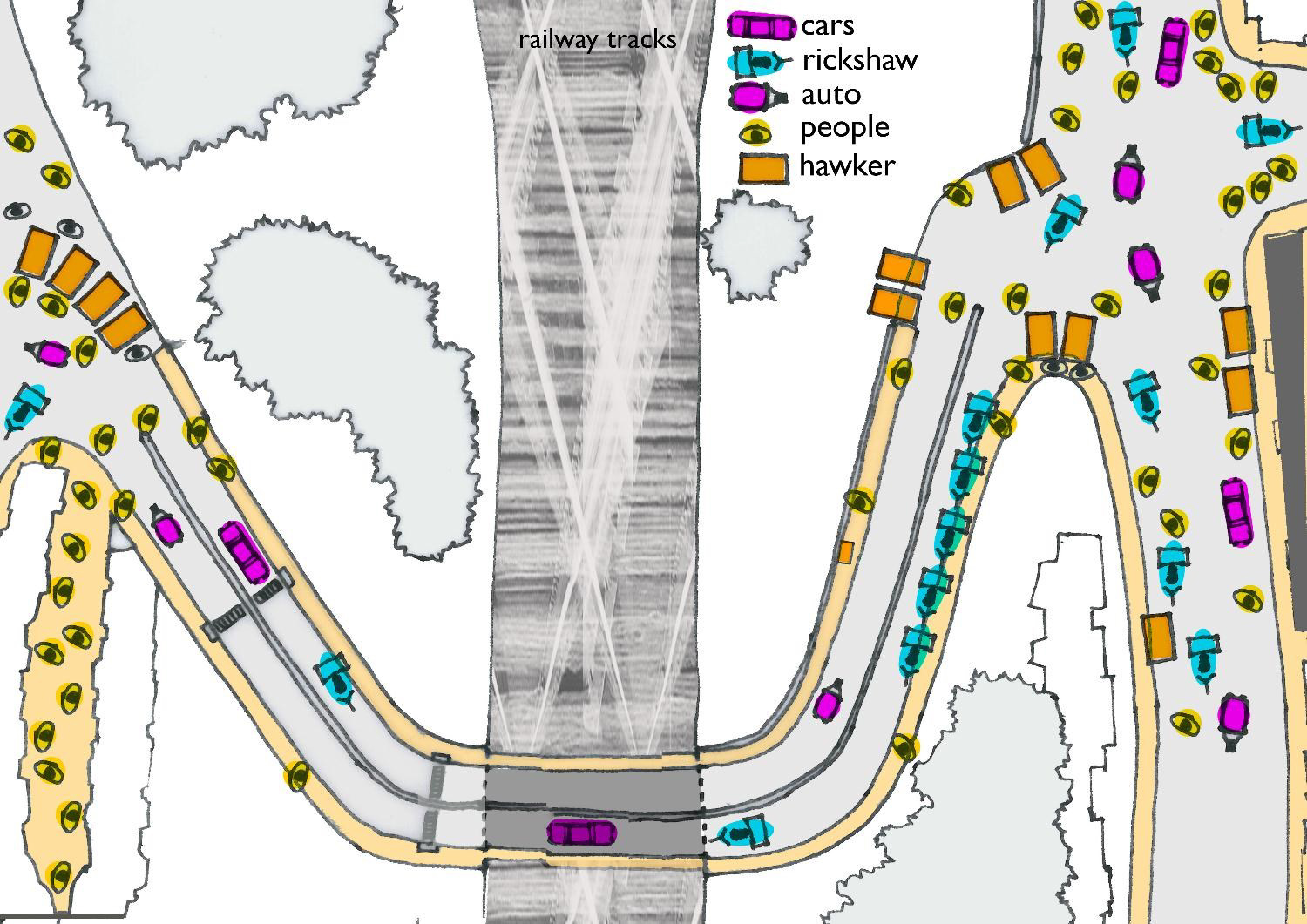
Commerce brings useful services, but it can also lead to a lack of order. Marginalised groups are the first to lose out in such high-pressure settings.
It is hard to make broad suggestions for policy change. That would go against our case for careful, empathetic, place-specific data to inform policy. What we can do is study high-pressure urban spaces and get a more realistic picture of what is happening on site.
Future research goals
What bothers me is the digging of trenches on both sides of the question: those who use public space and those who run it. My hope is that we can create more accounts and have better informed talks than those we see in mass media.
I’m optimistic about the role of technology in bringing about this change. This is an area of research I want to explore in my work.